|
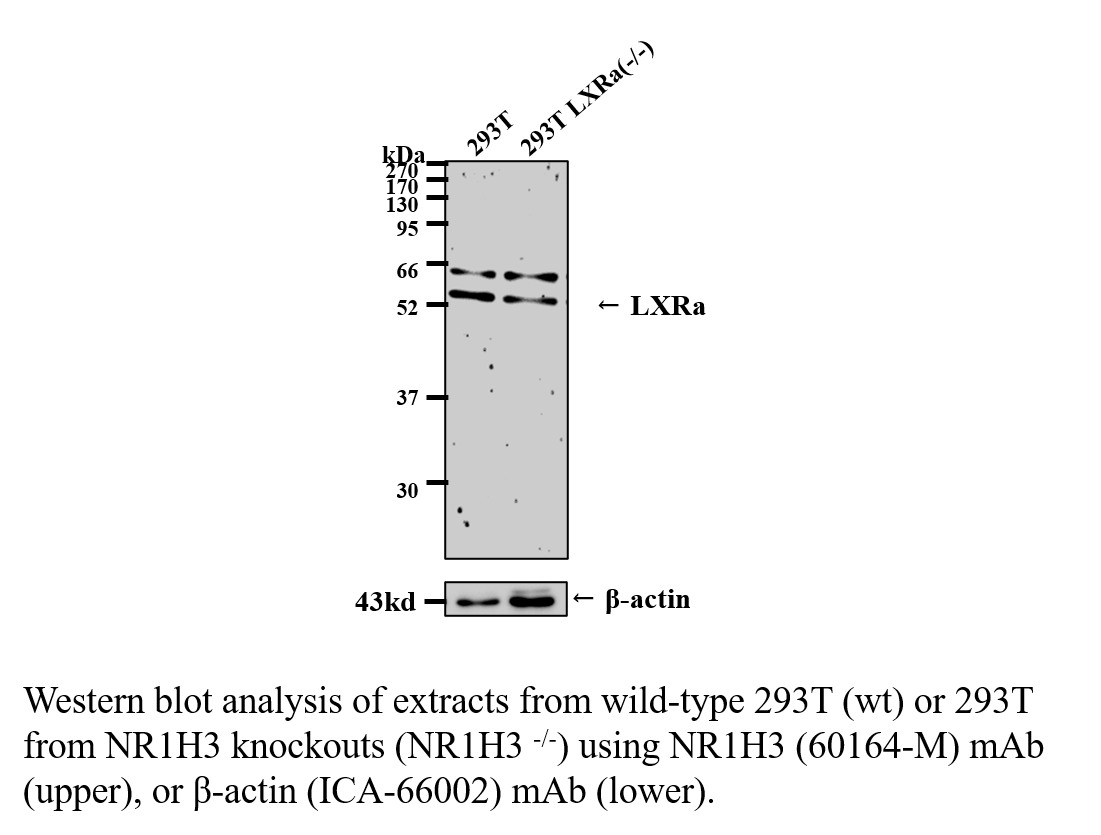
Background:<span style="color: rgb(64, 64, 64); font-family: quote-cjk-patch, Inter, system-ui, -apple-system, BlinkMacSystemFont, " segoe="" ui",="" roboto,="" "noto="" sans",="" ubuntu,="" cantarell,="" "helvetica="" neue",="" oxygen,="" "open="" sans-serif;="" font-size:="" 16.002px;"="">NR1H3, also known as Liver X Receptor alpha (LXRα), is a crucial ligand-activated transcription factor belonging to the nuclear receptor superfamily. It forms heterodimers with retinoid X receptor (RXR) and binds to specific DNA response elements to regulate the expression of genes involved in lipid and cholesterol homeostasis. Activated by oxidized cholesterol derivatives (oxysterols), NR1H3 promotes reverse cholesterol transport from peripheral tissues to the liver for excretion, fatty acid synthesis, and lipogenesis. It plays a vital anti-inflammatory role in macrophages and is a key regulator of whole-body cholesterol metabolism. Furthermore, NR1H3 is implicated in modulating immune responses and glucose metabolism. Due to its central role in lipid regulation, it is a prominent therapeutic target for treating atherosclerosis and other metabolic diseases, aiming to enhance cholesterol efflux and reduce inflammation in vascular walls. |
 我的购物车
 渝公网安备50009802001981

 |