|
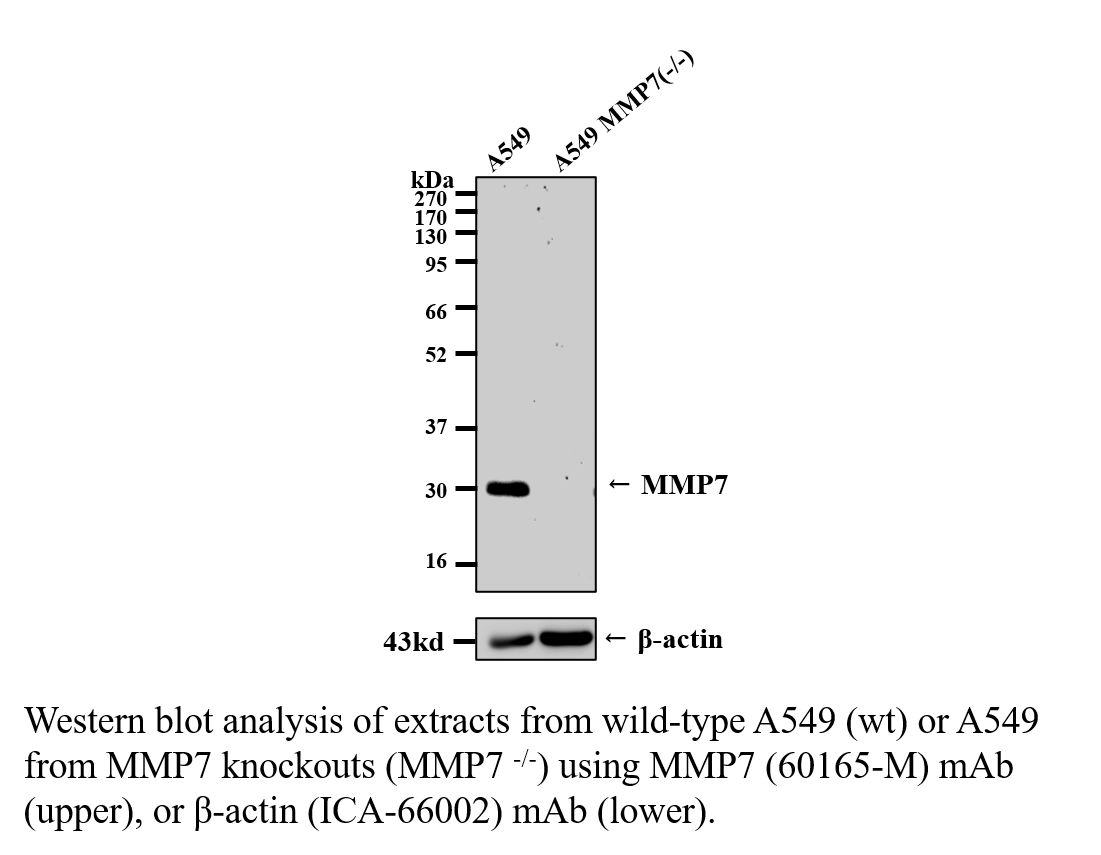
Background:<span style="color: rgb(64, 64, 64); font-family: quote-cjk-patch, Inter, system-ui, -apple-system, BlinkMacSystemFont, " segoe="" ui",="" roboto,="" "noto="" sans",="" ubuntu,="" cantarell,="" "helvetica="" neue",="" oxygen,="" "open="" sans-serif;="" font-size:="" 16.002px;"="">MMP7, also known as Matrilysin, is a smallest member of the matrix metalloproteinase (MMP) family. Unlike many MMPs, it is unique as it is secreted in a fully active form and lacks a hemopexin-like domain. It functions as a potent extracellular matrix-degrading enzyme, capable of breaking down various substrates including elastin, fibronectin, and collagen type IV. Its primary physiological roles include tissue remodeling during wound healing, immune response modulation by processing cytokines and chemokines, and facilitating epithelial cell migration. However, MMP7 is most notoriously implicated in cancer progression. It is frequently overexpressed in numerous carcinomas, where it promotes tumor invasion by degrading the basement membrane, activates other pro-MMPs, and cleaves E-cadherin to enhance metastasis. Its expression is often associated with poor patient prognosis, making it a significant biomarker and potential therapeutic target in oncology. |
 我的购物车
 渝公网安备50009802001981

 |