|
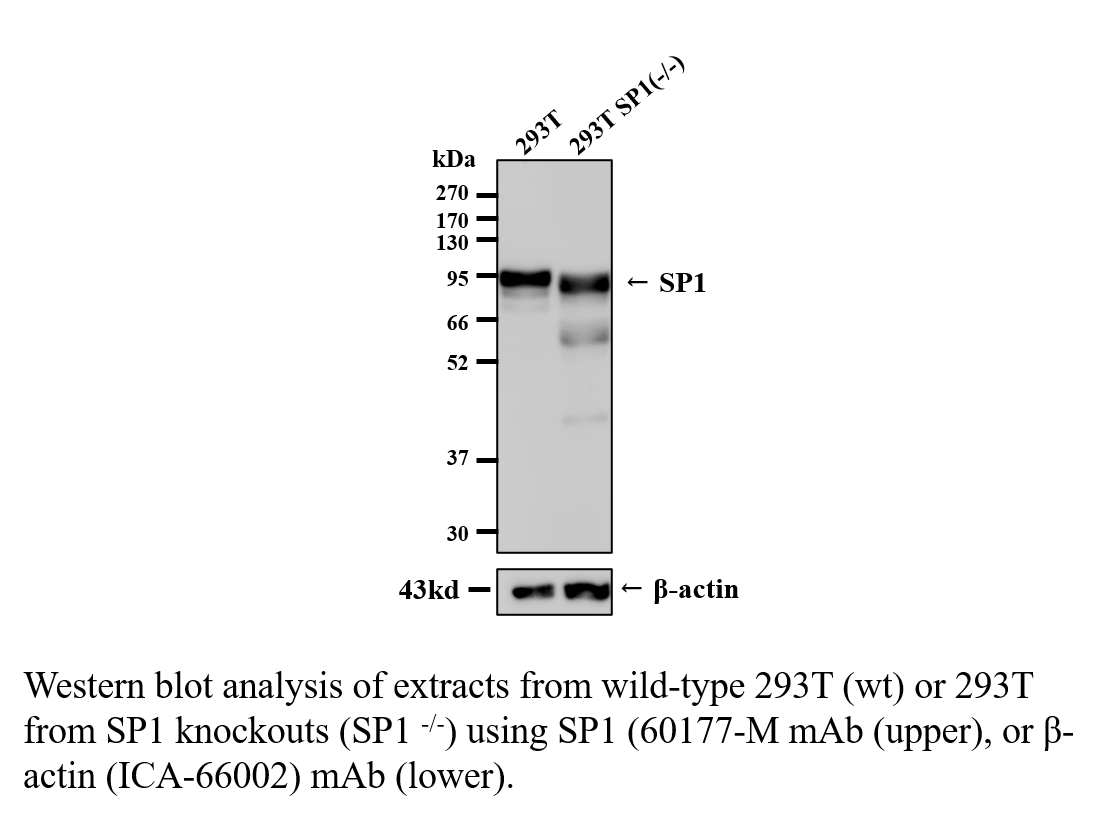
Background:<span style="color: rgb(64, 64, 64); font-family: quote-cjk-patch, Inter, system-ui, -apple-system, BlinkMacSystemFont, " segoe="" ui",="" roboto,="" "noto="" sans",="" ubuntu,="" cantarell,="" "helvetica="" neue",="" oxygen,="" "open="" sans-serif;="" font-size:="" 16.002px;"="">SP1 (Specificity Protein 1) is a ubiquitous and prototypical C2H2-type zinc finger transcription factor in mammalian cells. It binds to GC-rich promoter elements with high affinity, playing a foundational role in the basal regulation of a vast array of housekeeping genes. SP1 is involved in critical cellular processes including cell growth, differentiation, apoptosis, and DNA damage response. It does not act alone but serves as a platform, interacting with numerous other transcription factors and co-activators (like p300/CBP) to either enhance or repress transcription, depending on the cellular context and its post-translational modifications (e.g., phosphorylation, glycosylation). Its activity is crucial for embryonic development. However, due to its role in driving the expression of many proliferation-associated genes, SP1 is frequently overexpressed in various cancers, where it contributes to tumor growth, angiogenesis, and metastasis, making it a significant factor in oncology research. |
 我的购物车
 渝公网安备50009802001981

 |