|
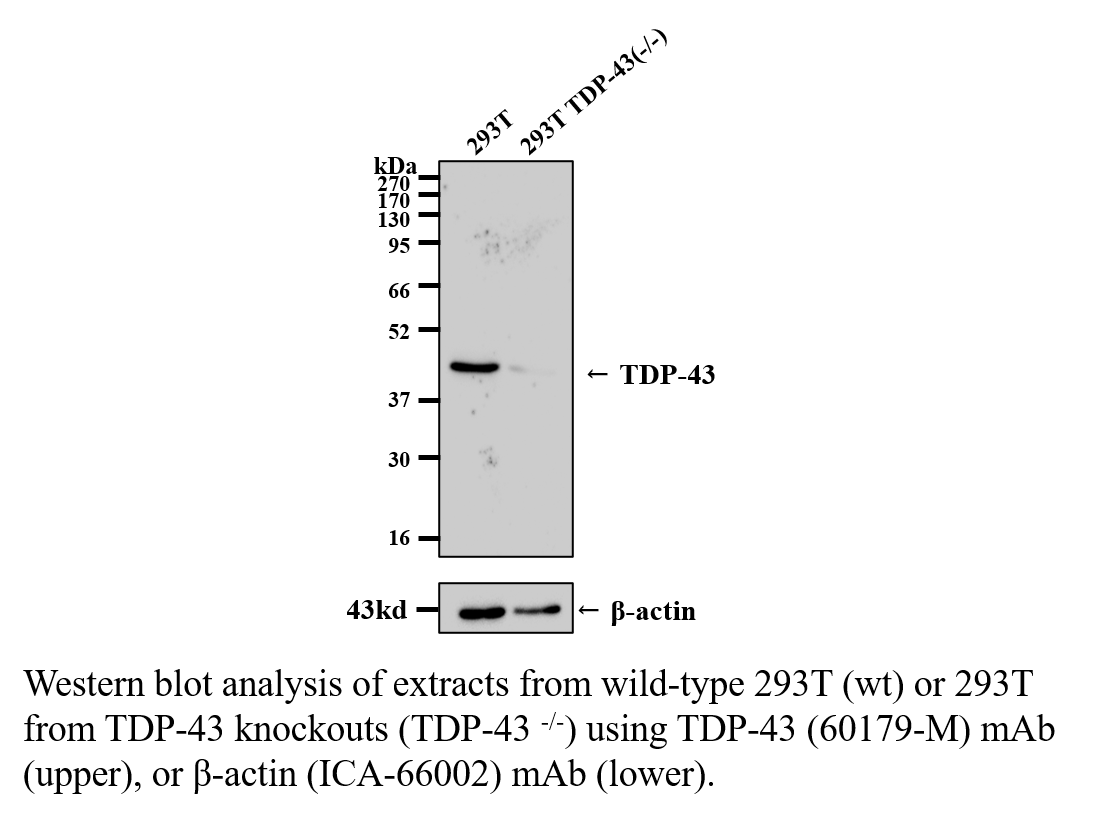
Background:<span style="color: rgb(64, 64, 64); font-family: quote-cjk-patch, Inter, system-ui, -apple-system, BlinkMacSystemFont, " segoe="" ui",="" roboto,="" "noto="" sans",="" ubuntu,="" cantarell,="" "helvetica="" neue",="" oxygen,="" "open="" sans-serif;="" font-size:="" 16.002px;"="">TARDBP, more commonly known as TDP-43 (TAR DNA-binding protein 43), is a ubiquitously expressed nuclear protein crucial for RNA metabolism. It performs multiple functions, including transcriptional repression, alternative splicing regulation, and mRNA stability maintenance. Its key role involves binding to UG-rich RNA sequences to process and transport mRNA. However, TDP-43 is most infamous for its pathological involvement in neurodegenerative diseases. In conditions like amyotrophic lateral sclerosis (ALS) and frontotemporal lobar degeneration (FTLD), it undergoes mislocalization from the nucleus to the cytoplasm, where it forms insoluble, hyperphosphorylated, and ubiquitinated aggregates. This loss of nuclear function and concurrent toxic gain of function in the cytoplasm are central to disease pathogenesis, leading to neuronal death. Normal TDP-43 function is therefore vital for neuronal health and survival. |
 我的购物车
 渝公网安备50009802001981

 |