|
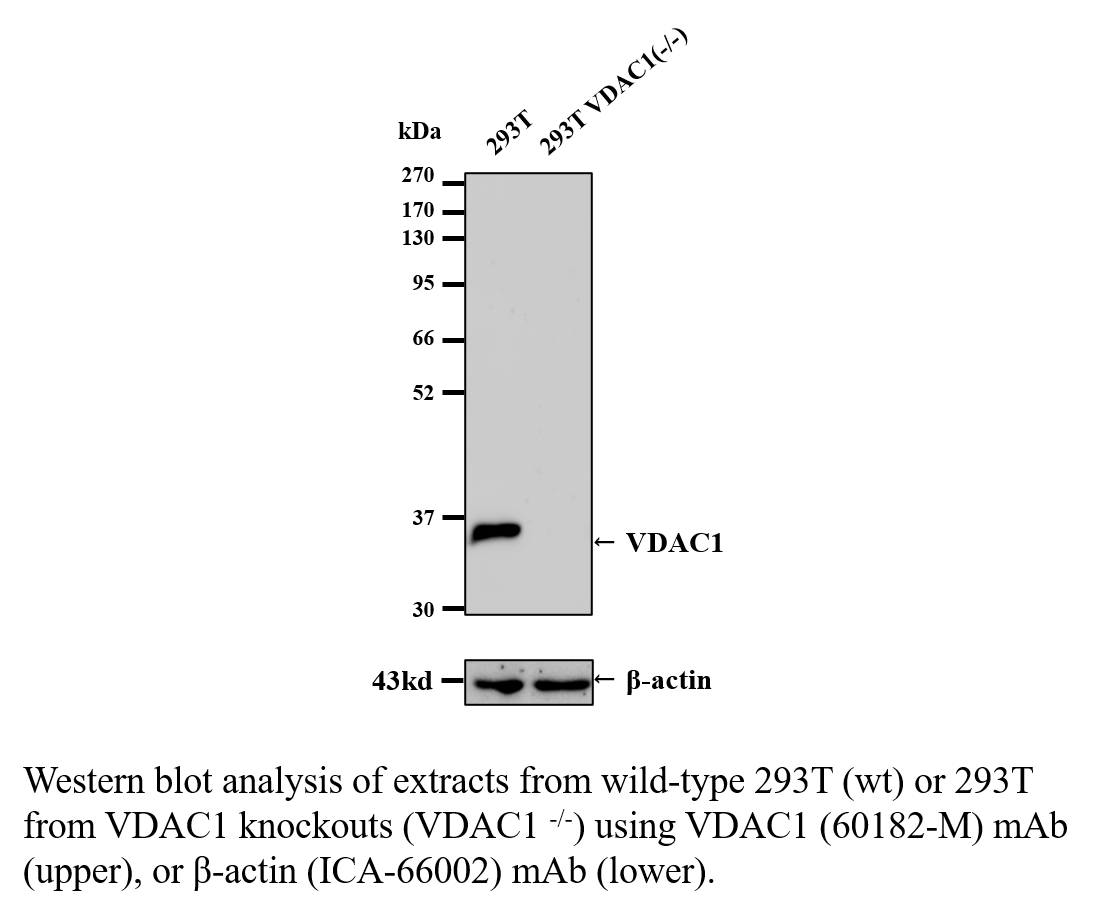
Background: is a pivotal mitochondrial outer membrane protein that functions as the primary gatekeeper for metabolic exchange between mitochondria and the cytosol. This β-barrel channel facilitates the bidirectional transport of ions (e.g., Ca²⁺) and metabolites (e.g., ATP/ADP, NADH, succinate), thereby regulating cellular energy metabolism, redox balance, and calcium signaling. Beyond its metabolic role, VDAC1 oligomerization is critical for mitochondrial apoptosis by enabling cytochrome release and apoptosome formation. It interacts with key proteins such as Bcl-2 family members, hexokinase, and α-synuclein, linking it to cancer (e.g., metabolic reprogramming in tumors), neurodegenerative diseases (e.g., Alzheimer’s via Aβ aggregation), and inflammation (e.g., mtDNA release activating STING pathway). Therapeutic strategies targeting VDAC1 (e.g., siRNA, small molecules) are being explored for cancer and neurodegenerative disorders. |
 我的购物车
 渝公网安备50009802001981

 |